No products in the cart.
Your Location:
>
Museum display cabinet lighting
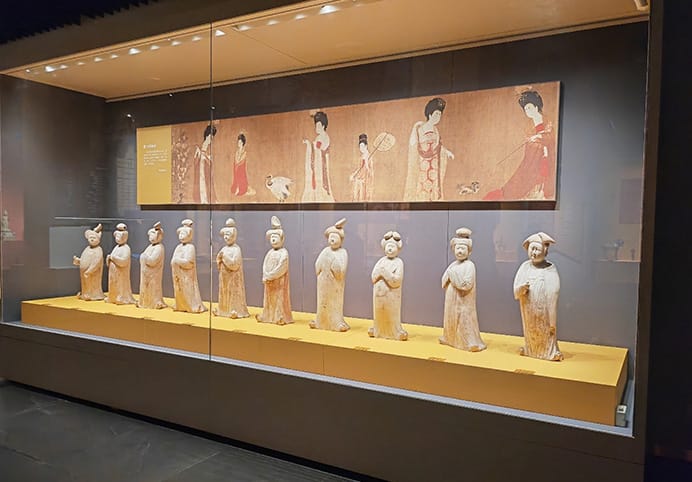
The museum display cabinets are mainly displayed as importantexhibits, such as cultural relics, utensils, precious calligraphyand paintings, etc., which are the focus of museum lighting.
Under the premise of taking into account the protection ofcultural relics, we should also do a good job in the display oflights to perfectly present the real effect of cultural relics.Museum display cabinet lighting can be divided into two ways.the lamps are set inside the display cabinet and outside thedisplay cabinet.
Display cabinet lighting can be divided intodiffuse radiation, wall washing, uniform illumination, and keylighting.when applying and designing lighting, the lightingmethod can be determined according to the needs of differenttypes of showcases, different lighting methods, different typesof exhibits, etc.
>
Key lighting of cultural relics in thedisplay cabinet
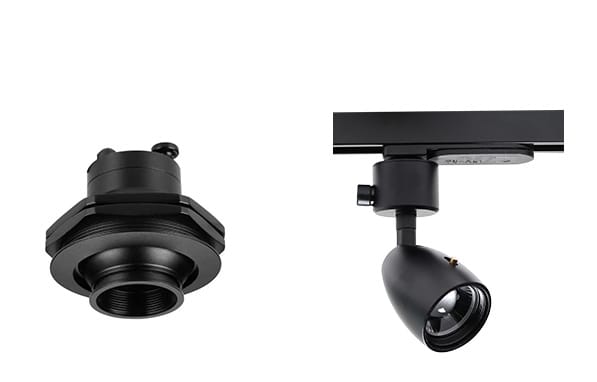
Key lighting fixtures of cultural relics use high color displayRa>95, adjustable focus 6-35°,low-voltage 24Vinput,embeddedlamps or low-voltage track lamps.
SK-Z00M “Royx” series of display cabinet lamp modularinstallation design, front andrear focusing mechanical design, lighting angle adjustmentand lamp replacement can be carried out when the displaycabinet is not turned on.
By operating outside the cabinet, the lighting can be easily adjusted to avoid the risk of artificialdamage to cultural relics. when used in the commercial displaycabinet space,the installation method of smallpox can beadopted, and different display cabinet types can use differentinstallation methods.
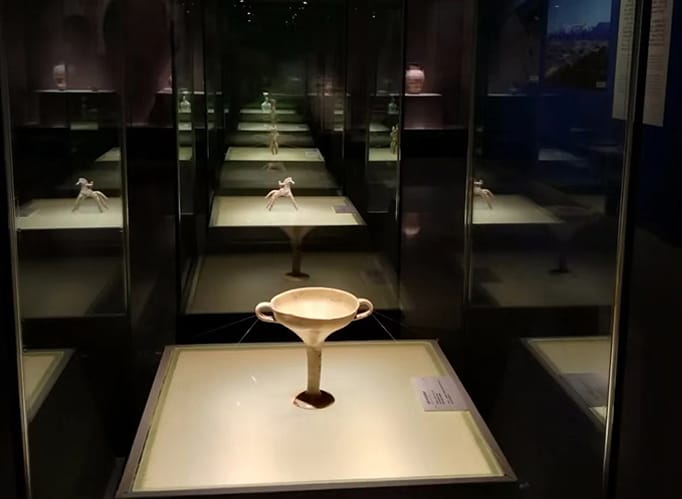
The key lighting of cultural relics in the exhibition cabinetsmainly adopts the method of point light sources. Most of thetypes of display cabinets used are:independent displaycabinets,wall-mounted display cabinets,etc.
The illuminationof the key lighting in the display cabinet should meet therequirements of cultural relics protection, and different cultura!relics require different illumination requirements.
Howeverthe illuminance control standards for cultural relics are differentin different countries. For example, in China, the highestillumination for cultural relics that are insensitive to light iswithin 300LX, while for precious cultural relics that are sensitiveto light, the maximum illumination is controlled at 50LX.
Therefore, the key lighting in the display cabinet should alsobe equipped with a dimming intelligent control system indesign and application to meet the illumination controlrequirements of different cultural relics.
>
Wall-washing lighting in thedisplay cabinet
The wall washing lighting in the display cabinet mainly usesembedded wall washing lamps or low-voltage rail wall washinglamps.
lt is necessary to ensure the color dominance of the lampsRa>95, and the uniformity of wall washing and lighting. Thedistance between the lamps and the background wall of thedisplay cabinet and the distance between the lamps and thelamps need to be evenly arranged in the same proportion toensure the uniformity and illuminance of wall washing lighting.
The illuminance of wall washing lights is usually controlled atabout 100LX, forming a 1:3 contrast ratio with the key lightingof cultural relic exhibits.
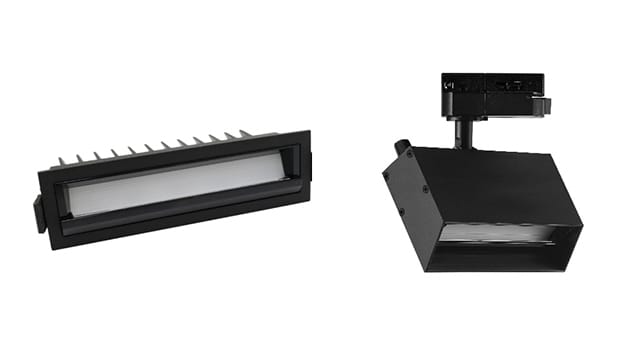
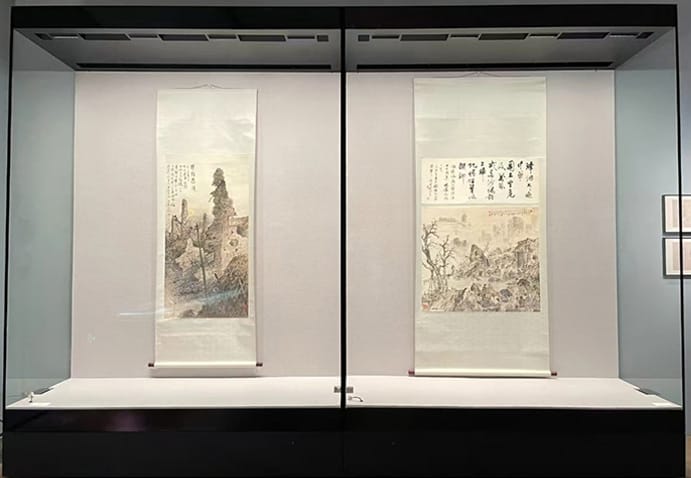
The wall lighting in the display cabinet mainly provides mainlighting for the instruction board or calligraphy in the displaycabinet.
For example, the calligraphy and painting worksdisplayed in the display cabinet, the wall washing lightingilluminates the calligraphy and painting works evenly throughlight, so that the audience can clearly enjoy the full picture texture and color of the works.
Wall-washing lighting can alsoprovide background light for the key lighting of cultural relicsin the display cabinet, which can eliminate the bottom shadowof the three-dimensional cultural relics exhibits. At the sametime, it can also balance the contrast of the light in the displaycabinet, making the visual effect more balanced.
>
Lighting method outside the cabinet
if the cabinet is not illuminated in the cabinet, it can be illuminatedoutside the cabinet.
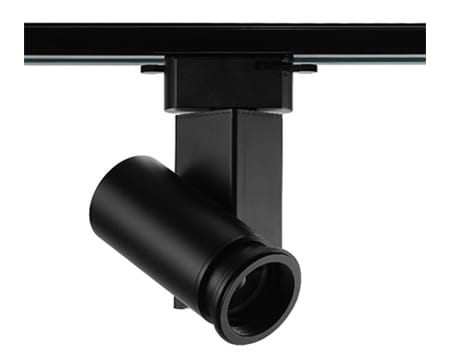
The exterior lighting mainly uses trackspotlights, and the display cabinet is illuminated in the formof tracks outside the cabinet.
For example, SK-Z00M’s Barnotseries zoom track spotlights, with a power of 9W-12W rangea zoom range of 8°-45°, and a simple and compact appearanceit will be more beautiful and elegant to use outside the showcase.
At the same time, the small angle 8° spotlight effect can betterfocus the light in the exhibits in the showcase.
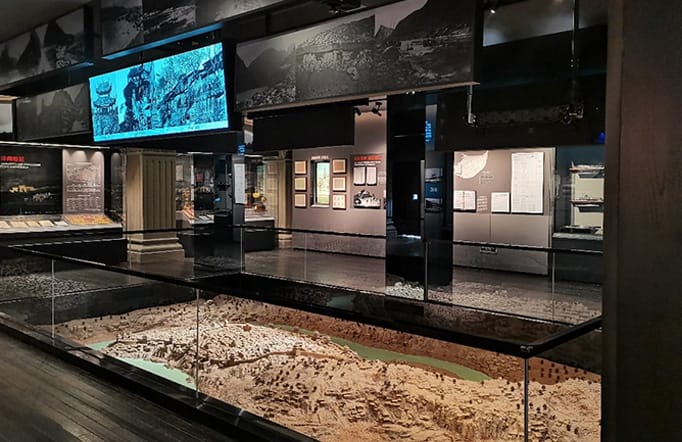
Using the lighting method outside the cabinet, you need topay attention to the reflection of the display cabinet glass
The angle of the lamp can be adjusted so that the light willnot be directly reflected into the eyes of the audience. Forexample, install the lamp in a lower position and make thelight shine on the exhibits at a certain tilt angle to avoid verticalirradiation to produce mirror reflection.
lt is also necessaryto install a hood on the lamps to prevent the light from shiningdirectly on the audience’s eyes. The hood can adjust the angleso that the light only shines within the scope of the exhibits.