No products in the cart.
Your Location:
>
Museum exhibition boarddisplay wall lighting
The overall display board display wall should be evenly ill.Byinstalling multiple lamps, the light is evenly distributedon the surface of the exhibition board exhibition wall to avoidspots or shadows.For example, in front of a large wall, acombination of orbital wall washing lamps or focusing lampscan be combined with stretching or wall washing lenses. Thelamps are arranged at a certain interval, so that the light cancover the wall softly and evenly.Maintain an appropriatedistance and angle between the lamps and the exhibitionboard exhibition wall. Excessive proximity can cause thecenterto be too bright, and poor angles may lead to unevenlight and shade.
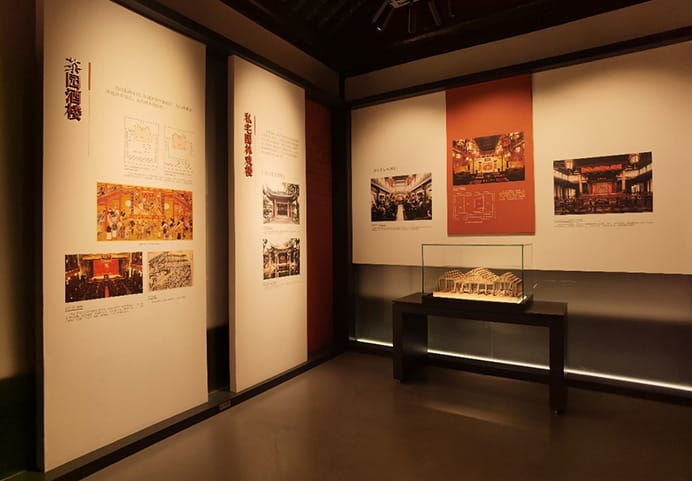
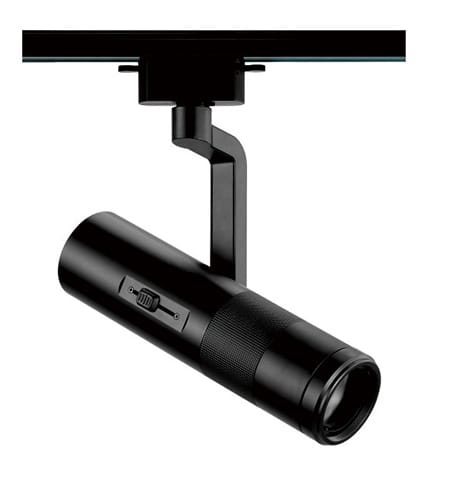
Choose lamps with high color rendering index (Ra), preferablyRa above 95,such as SK-Z00M Bana series, blue seriesZoom track spotlights,with color rendering index up toRa98, which can accurately restore the color of the contentof the exhibition board, including the color details of thepicture and the clear presentation of text. lf it is an exhibitionboard displaying ancient calligraphy and paintings, thehigh color display lighting allows the audience to truly seethe original color strokes of the painting and the color ofthe paper. At the same time, SK-Z00M Bana series and blueseries products can also be equipped with various opticalaccessories,such as stretching, oval, wall washing, etc.which can debug uniform and accurate lighting effectsaccording to the size and shape of different exhibition boardsand walls.
For the key contents that need to be highlighted on theexhibition wall, such as important cultural relics pictureskey text descriptions, etc.,
Key lighting can also be used toattract the attention of the audience.
The Zoom track spotlightis used to focus on the key area by adjusting the outlightangle of the spotlight and the brightness of the lamp, forminga certain contrast with the surrounding ambient light, whichcan better highlight the important content.
The illuminanceratio between key lighting and ambient lighting is generallycontrolled at about 3:1,so as to avoid excessive contrast andcausing visual fatigue to the audience.
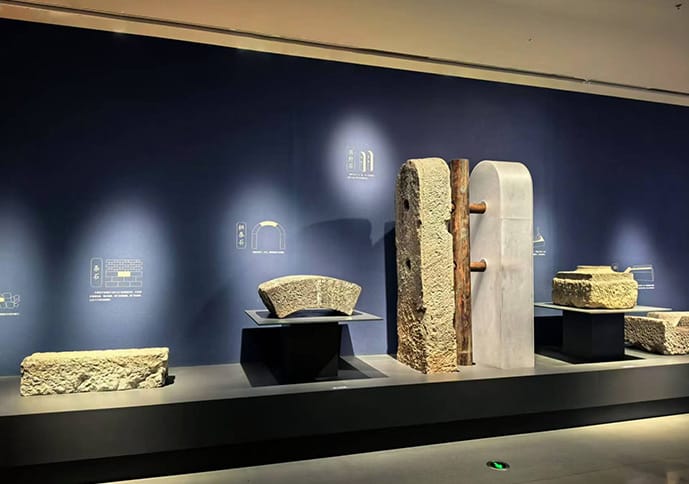
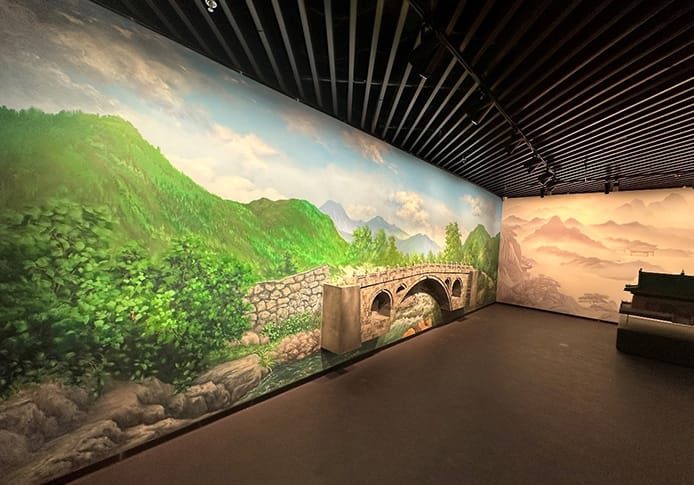
Consider the material and surface treatment of the exhibitionwall, and choose suitable lamps to reduce reflection.
lf it isa display board with a smooth surface, the angle of thelamp should be adjusted so that the light is not exposed asvertically as possible to prevent mirror reflection from affectingthe viewing effect.
Install a shade or use a lamp with anti-glare to reduce direct glare and indirect glare. For examplein the position where glare may occur on the visitor’s tourroute,the adverse effects can be eliminated by adjustingthe shading angle of the lamp.
It adopts an adjustable lighting system, which is convenientto adjust the lighting according to different exhibition themesthe replacement of exhibits and the optimization of displayeffects. For example, for temporary exhibition panels, thebrightness and angle of the light can be quickly changedthrough a dimming device.